Ir al contenido
Trenchless Pool Pipe Repair Process | AWATEC Aruba
Customer Education Guide

Repairing Eligible Pool Pipes Without Major Excavation

AWATEC uses a specialized internal pipe-coating method for selected pool plumbing leaks. The repair is completed from inside the existing pipe, which can reduce the need to break pool decks, tiles, concrete, waterfalls, or landscaping.

How it works

A controlled repair process from diagnosis to final pressure test

Every project begins with confirming the affected line and determining whether an internal epoxy repair is suitable. Not every pipe or leak can be repaired this way, so AWATEC performs a technical assessment before recommending the system.

Important: This is a specialized repair option, not a universal substitute for excavation. Pipe condition, access, diameter, fittings, leak severity, and the location of the damage all affect eligibility.
Pool leak location being checked with specialized equipment Pool pipe camera inspection
1

Locate and confirm the leak

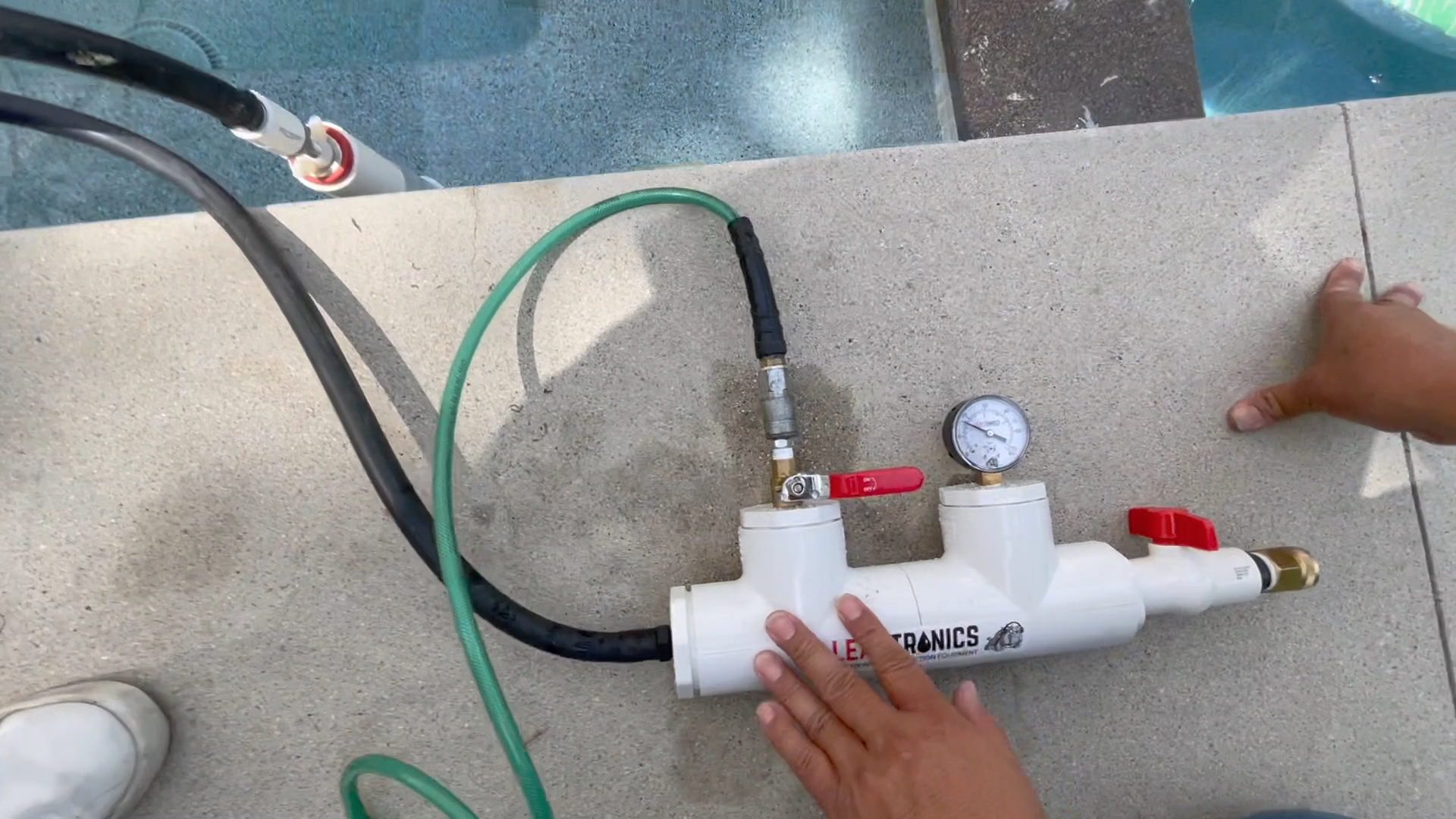
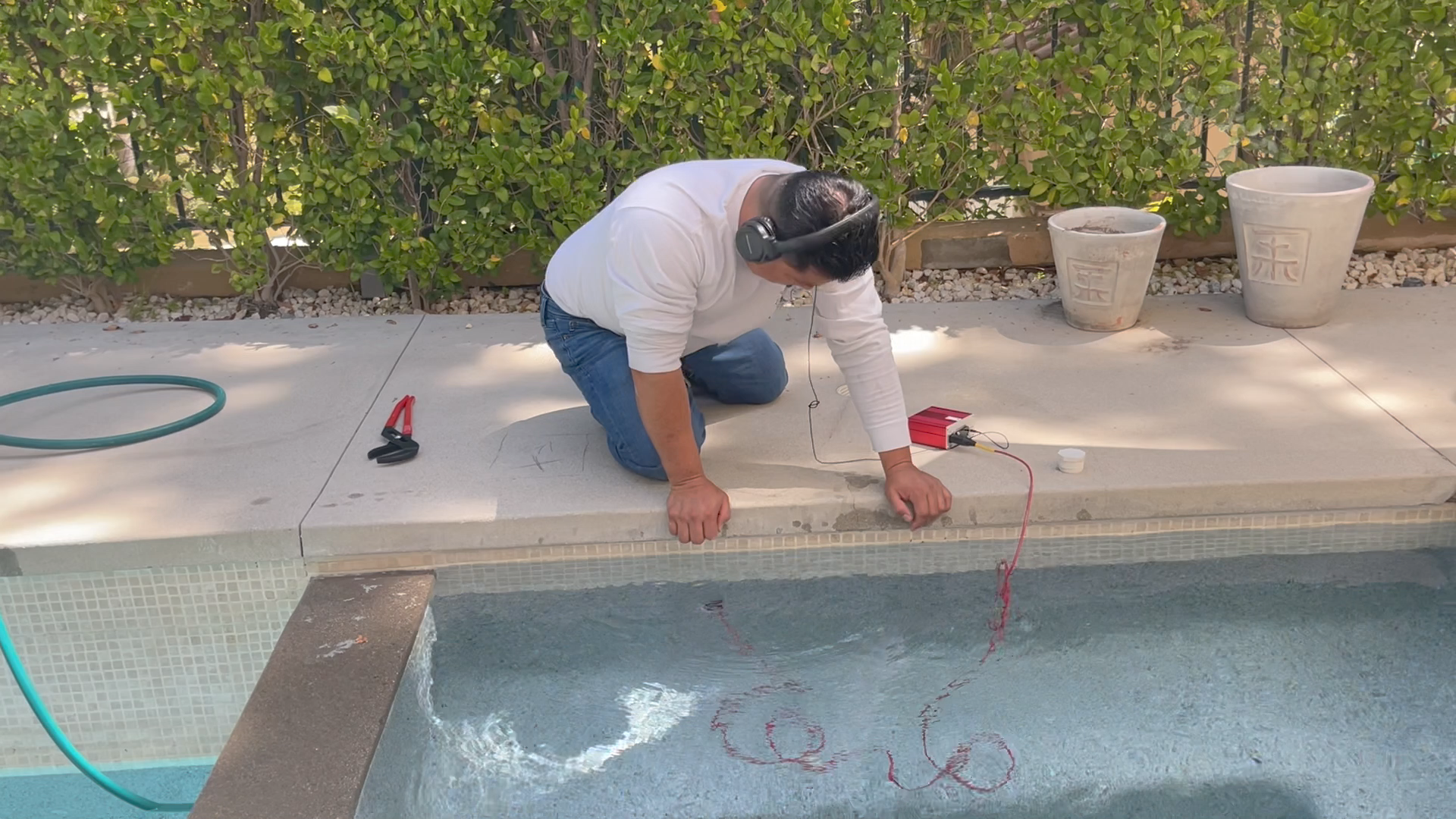
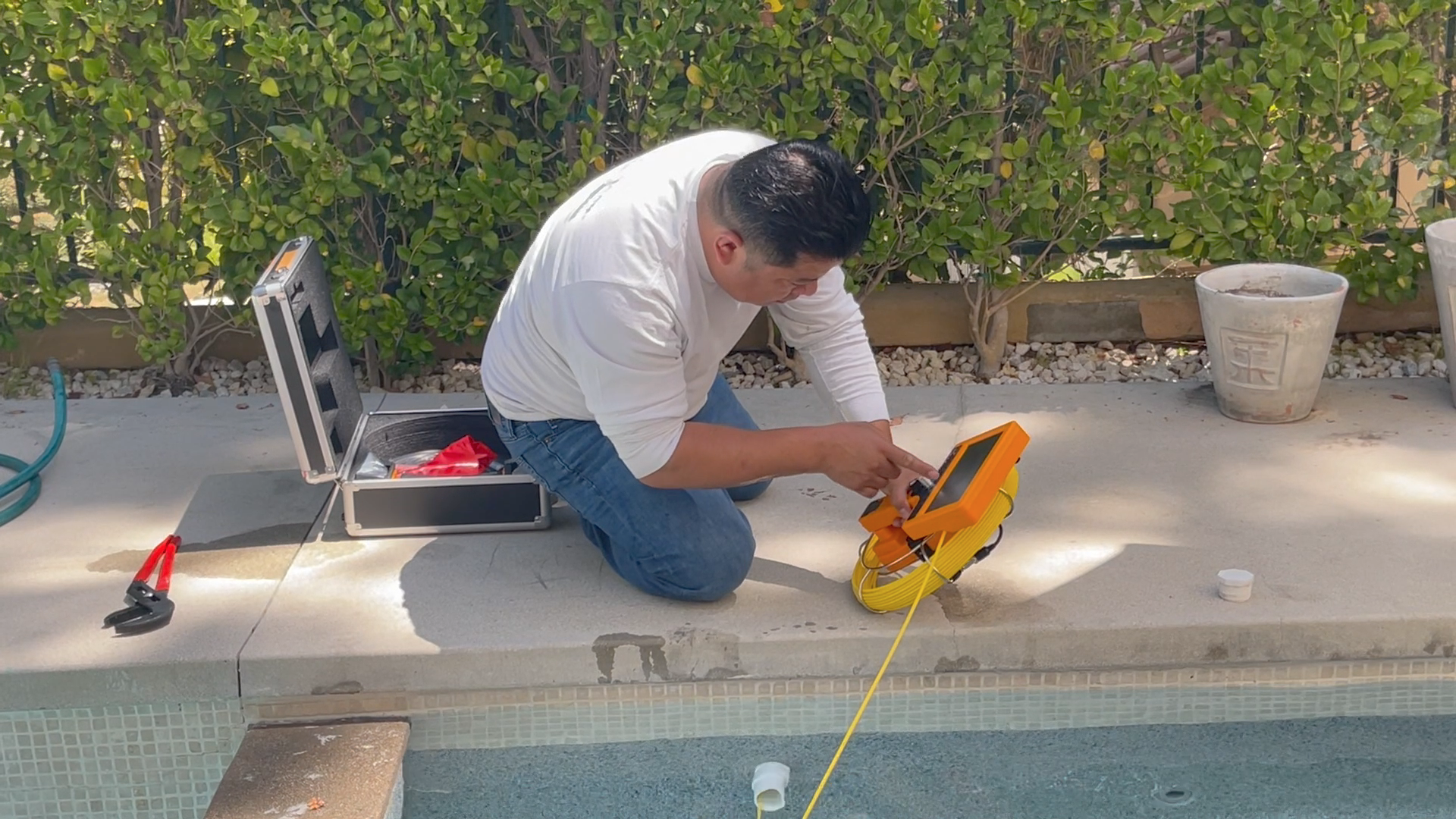
We first identify the affected pool line and verify that it is leaking. Depending on the situation, this may include pressure testing, acoustic listening, hydrophone testing, pipe camera inspection, or a combination of methods.

Even when another contractor has already identified the suspected area, AWATEC may repeat key tests before beginning the repair.
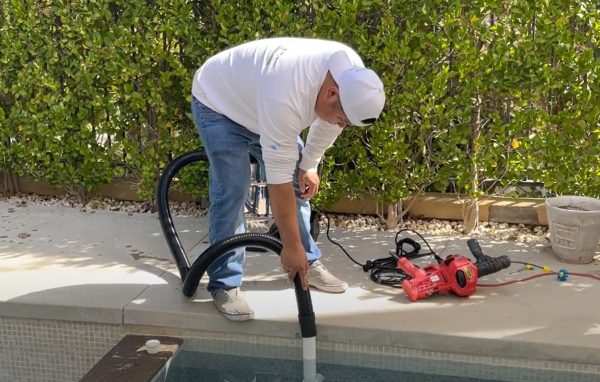
Pool plumbing line being dried using air equipment
2

Dry and purge the pipe

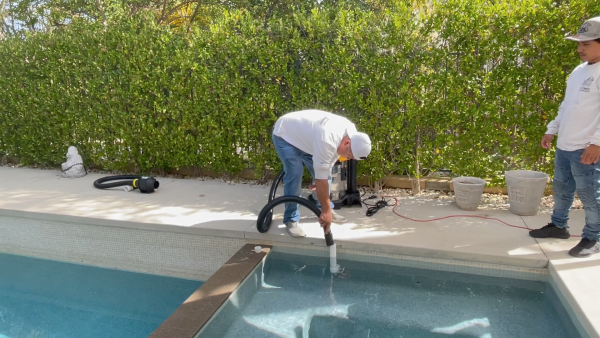
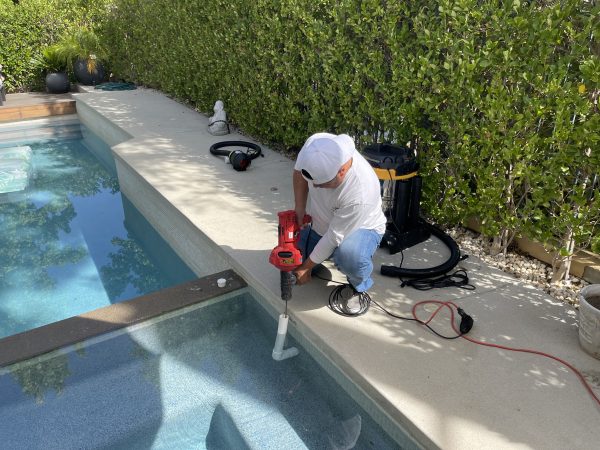
Water must be removed from the repair section. Airflow and vacuum equipment are used to clear and dry the line so the internal surface can be properly prepared.

Internal sanding preparation of a pool pipe
3

Prepare the inside surface

The interior wall of the pipe is mechanically conditioned. This creates a prepared surface that helps the repair material bond to the existing pipe.

Debris being removed from a pool plumbing line
4

Remove preparation debris

After the inside surface has been prepared, the pipe is cleaned again. Loose particles and sanding debris must be removed before the coating is introduced.

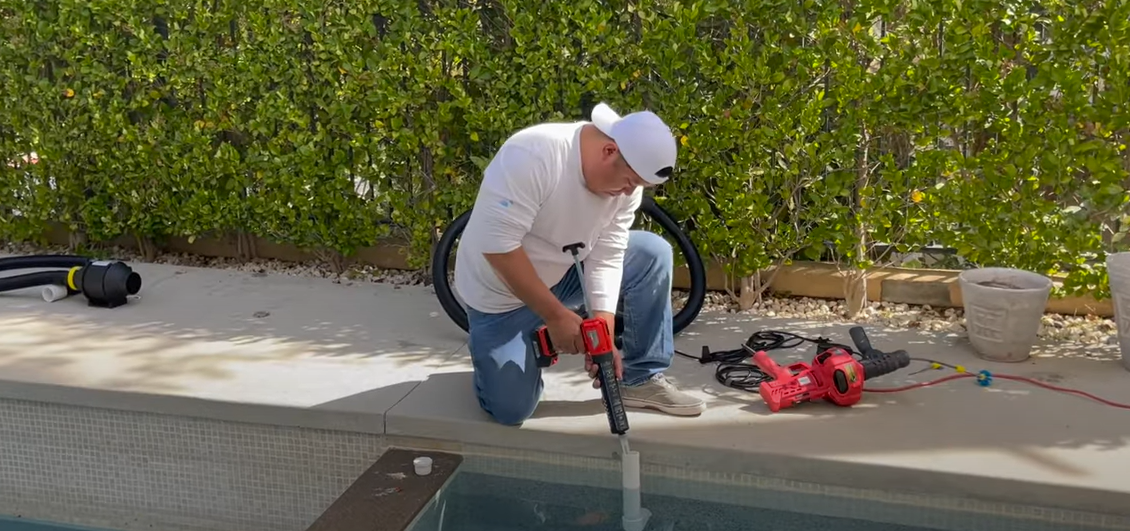
Epoxy repair material being introduced into a pool pipe
5

Introduce the repair material

The required amount of coating material is calculated for the pipe section. It is then introduced into the line in a controlled manner so the targeted interior can be coated.

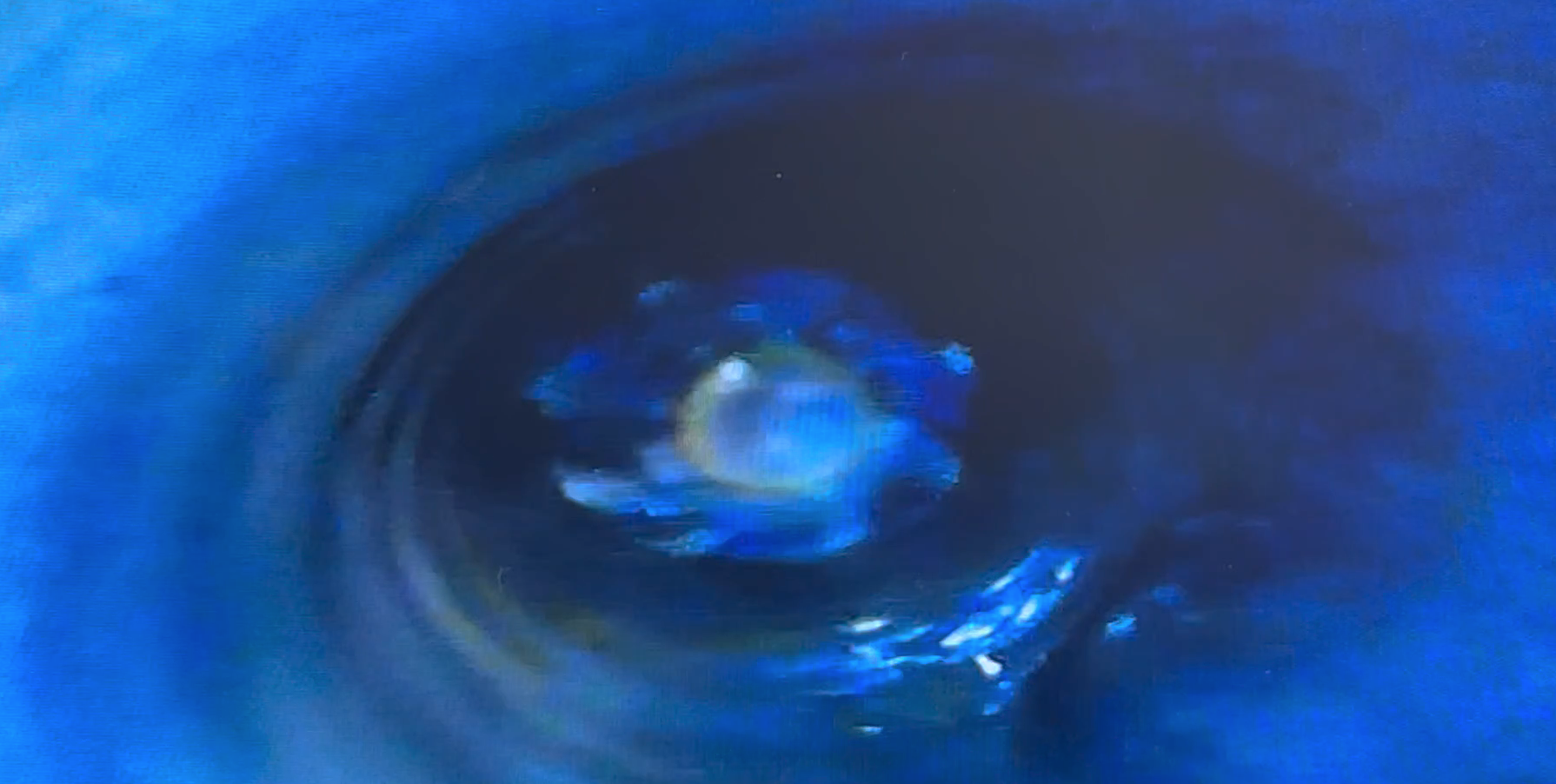
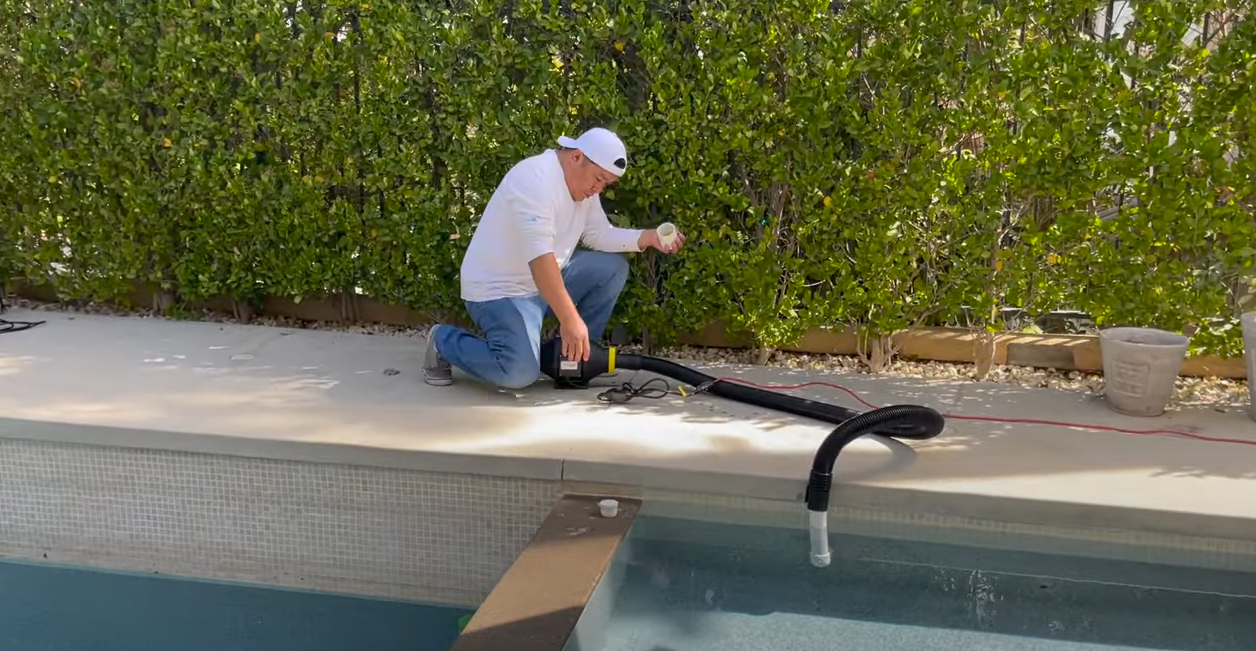
Internal view of epoxy coating in a pipe Drying equipment connected to a pool pipe
6

Coat the pipe and allow it to cure

A correctly sized internal brush distributes the repair material through the line and across the damaged area. The system is designed to work through bends in suitable pipe layouts.

Controlled airflow is then used during the curing stage. The exact curing time depends on the repair conditions and the approved application procedure.

Pressure gauge used to verify a completed pool pipe repair
7

Pressure-test and confirm the repair

Once the repair has cured, AWATEC tests the line again. A stable pressure reading helps confirm that the repaired pipe is no longer losing pressure.

After successful verification, the plumbing line can be returned to normal pool operation according to the technician’s instructions.

Why customers consider it

A less destructive option for difficult-to-access pool leaks

Less demolition

May avoid breaking finished pool decks, tile, concrete structures, waterfalls, or landscaping.

Targeted repair

The work is focused on the affected pipe interior rather than opening a large excavation area.

Reduced restoration

When suitable, the process can reduce the time, cost, and inconvenience associated with rebuilding finished surfaces.

Eligibility assessment

Is your pool pipe a candidate?

AWATEC will evaluate the complete situation before recommending trenchless repair. A camera-visible crack or leaking joint may be a good candidate, but the final decision depends on the condition and layout of the full repair path.

When trenchless repair is not technically appropriate, we will explain the reason and recommend a conventional access-and-repair option.

What we review

  • Which pool plumbing line is losing pressure
  • Pipe diameter, material, route, and access points
  • Number and type of elbows or fittings
  • Camera findings and visible pipe condition
  • Location and severity of the crack, hole, or separation
  • Ability to dry, prepare, coat, and verify the line safely

Pricing: Upon Assessment

Suspect a leak inside your pool plumbing?

Schedule a professional assessment with AWATEC. We will identify the affected line, inspect the condition, and explain whether trenchless internal pipe repair is appropriate.

Request an Appointment